Just published in Springer– our new book chapter

Pshenichny-Mamo, A., Demarse, M., Hunter, R.H. & Tsybulsky, D. (2026). Exploring the educational potential of climate change exhibitions in natural history museums. In C. Bruguière, M. Hammann & O. Morin (Eds.), Shaping the Future of Biological Education Research. Contributions from Biology Education Research (pp. 87-101). Springer. https://doi.org/10.1007/978-3-032-05346-6_7

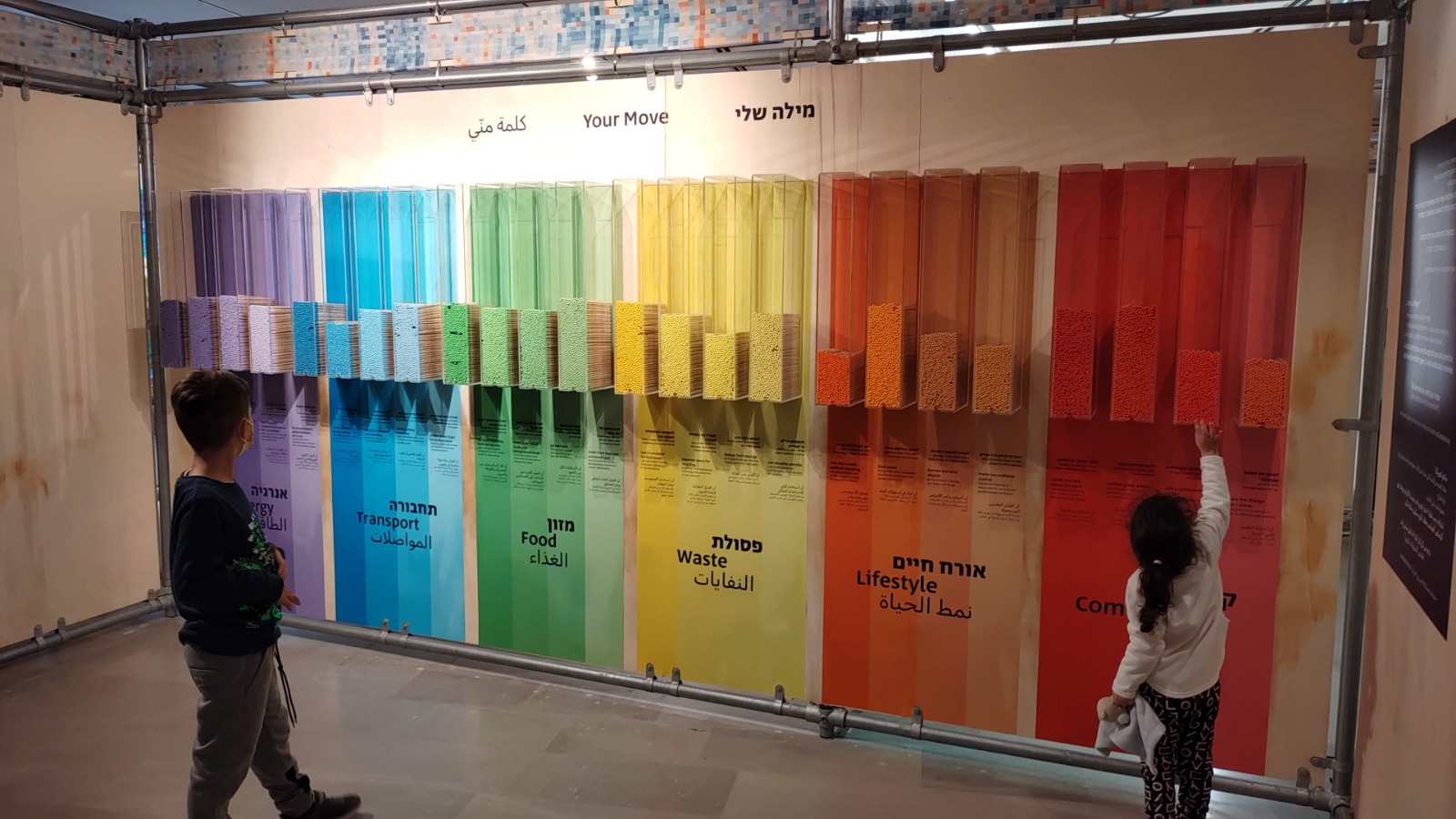
The chapter examines the educational goals that natural history museum staff associate with climate change exhibitions and analyzes how different aspects of nature of science are integrated into exhibition content. By focusing on museum professionals’ perspectives alongside an analysis of the exhibitions themselves, the study highlights the pedagogical potential of natural history museums as authentic learning environments that can complement formal biology and climate change education.
📘 The chapter is available here:
https://link.springer.com/chapter/10.1007/978-3-032-05346-6_7

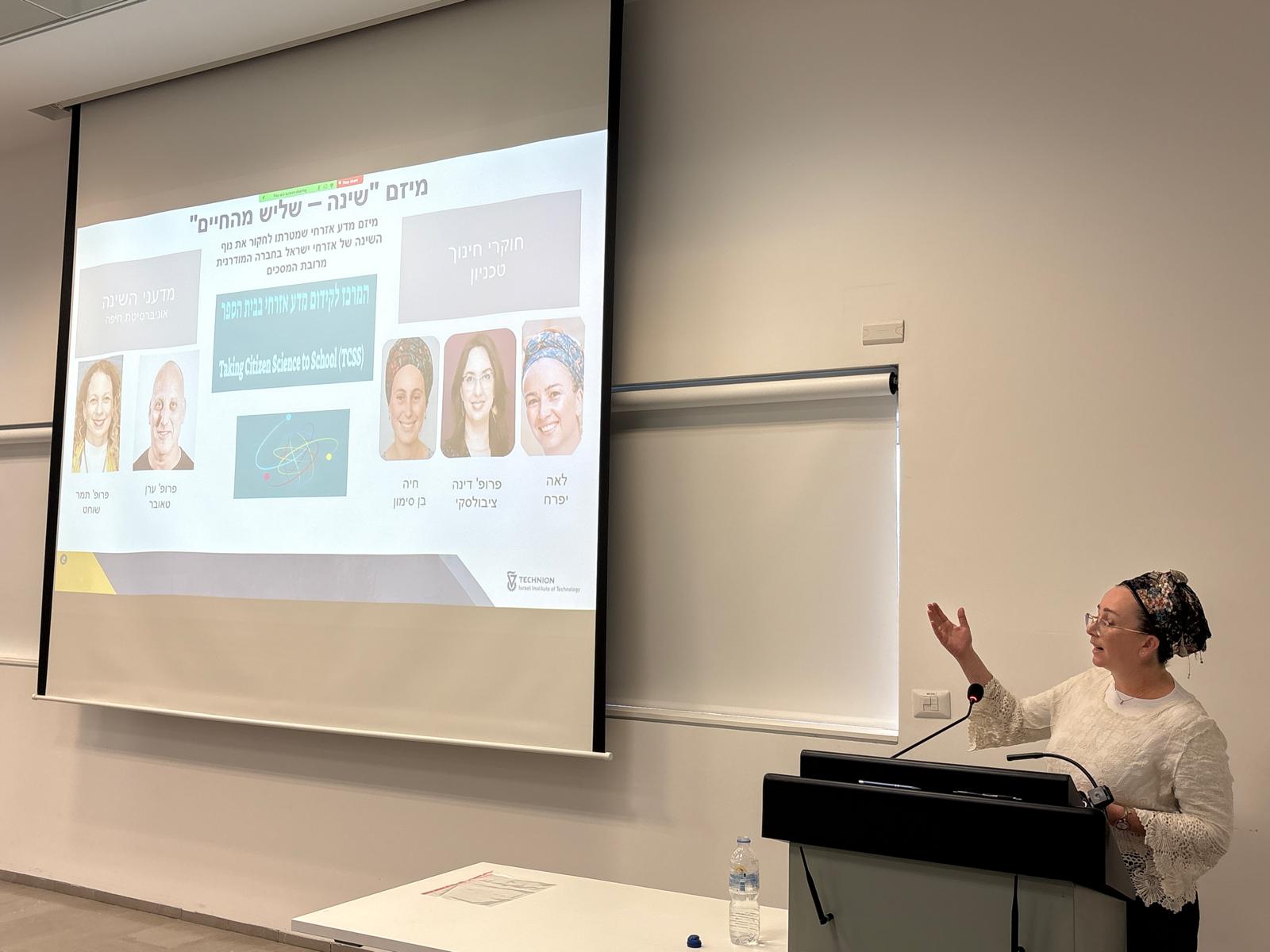
🌙 Sleep Citizen Science Project in our Lab

  • 🎶 Do different types of music influence sleep?
  • 🌡️ How does temperature affect sleep patterns?
  • 📊 And what happens when sleep is disrupted — how does the body recover?

These questions emerged from an inquiry process led by eighth-grade students as part of a Sleep Citizen Science project. The students analyzed their own sleep data alongside data from adolescents across Israel, identified patterns and potential relationships, and formulated research hypotheses.

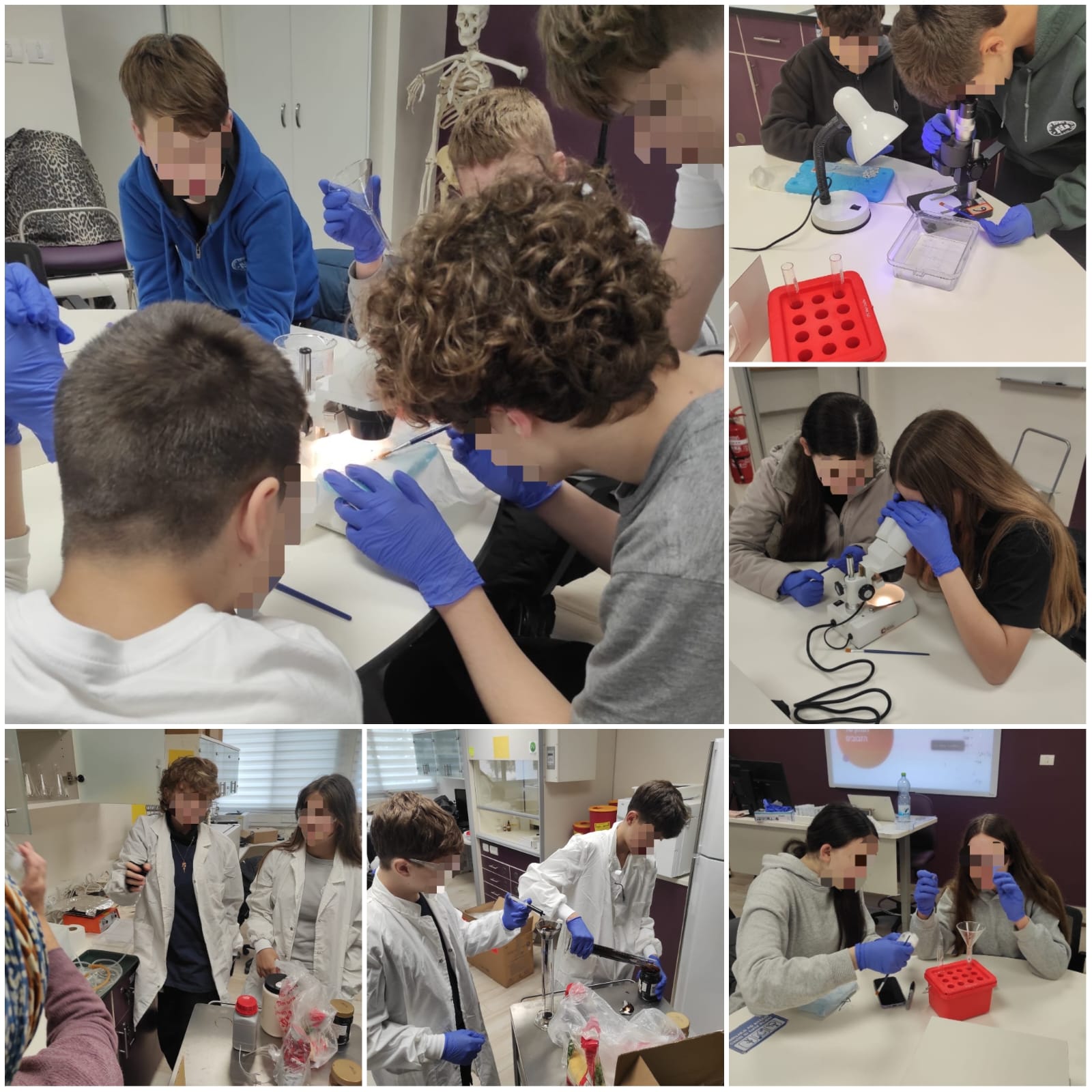
They then moved to an additional scientific practice: a controlled biological experiment. Through analysis, the students identified patterns, variability, and potential relationships, and on this basis formulated hypotheses that they sought to examine through an additional scientific practice—a controlled biological experiment. Fruit flies serve as a model organism for the study of human sleep due to similarities in the genes responsible for the biological clock. The students visited our fly laboratory at the Technion, separated males from females, placed flies into capillary tubes, and then into a dedicated monitoring system that tracks activity levels and enables the identification of periods of sleep and wakefulness.

The flies were subjected to different treatments in accordance with the research questions: some were maintained at different temperatures, others were exposed to classical music or trance music or to varying sound intensities, and in some cases, sleep was deliberately disrupted. In addition, the students prepared fly food and, for an additional experiment, cooked diets with varying protein-to-carbohydrate ratios.

We are currently awaiting the monitoring results, and in the coming weeks, the students will conduct an in-depth analysis of the collected data. Based on these analyses, they will construct models to explain, represent, and describe the phenomena they investigated.


Just Published — Our Latest Article in Science and Education

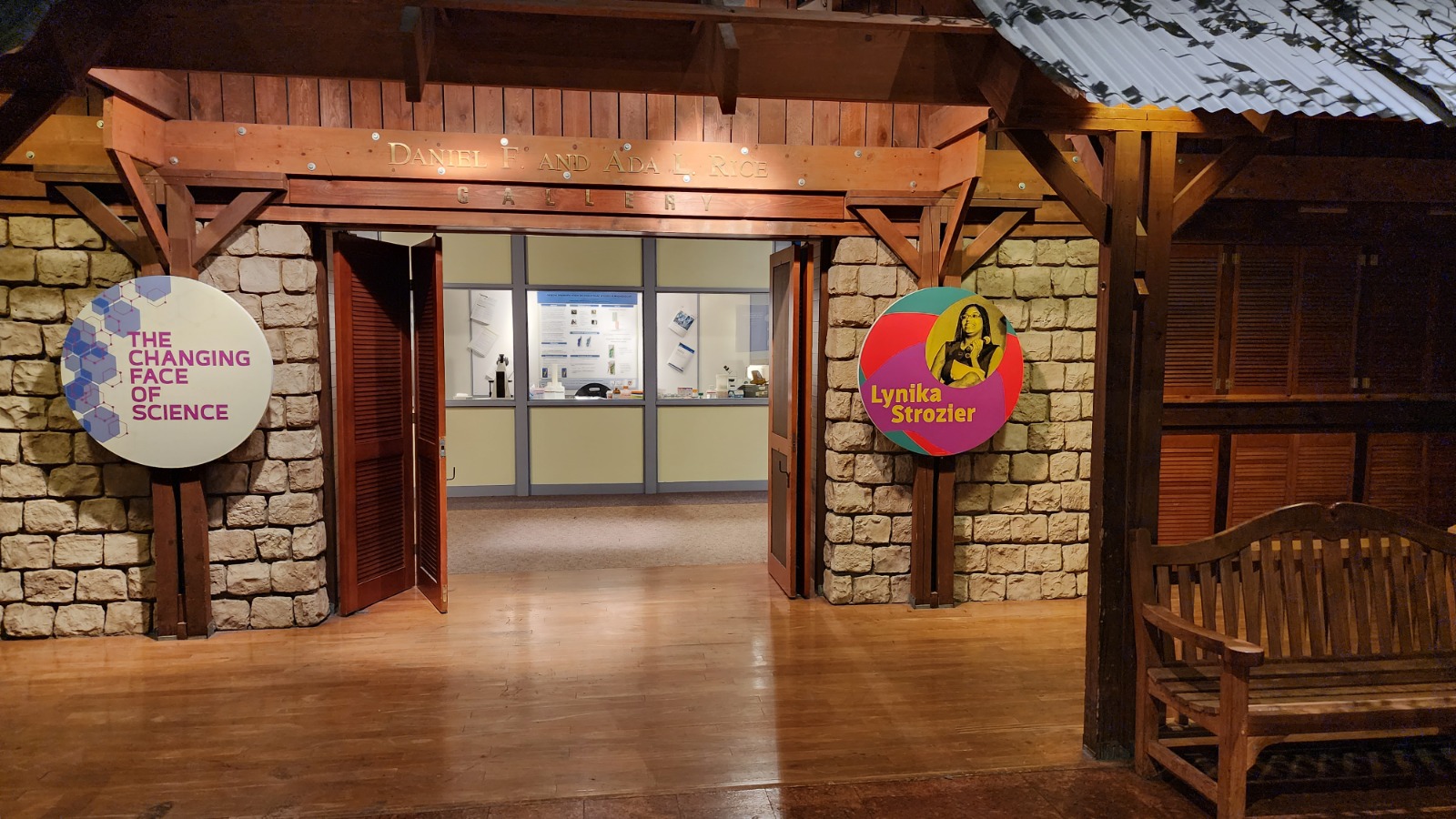
We are excited to share that our paper, “The Intersection Between Social-Institutional Aspects of the Nature of Science and Social Justice in Natural History Museum Exhibitions,” has just been published in Science & Education! In this study, we examined how natural history museum exhibitions communicate both how science works and who is recognized within it. Through an analysis of signage from the Changing Face of Science series at the Field Museum (Chicago), we developed a seven-category framework that reveals how exhibitions can spotlight diverse identities in science, while also exposing gaps related to structural, historical, and epistemic justice. Our findings show that museums have significant potential not only to broaden representation, but also to foster more inclusive and critically engaged understandings of science. A heartfelt thank-you to our museum partners, colleagues, and reviewers for their support throughout this journey.

Pshenichny-Mamo, A., Lodge, W. & Tsybulsky, D. (2025). The intersection between the nature of science and social justice in natural history museum exhibitions. Just Published — Our Latest Article in Science & Education. https://doi.org/10.1007/s11191-025-00708-2

Just published – Our Chapter in the Handbook of Personalized Learning

We are excited to share that our new book chapter has been published!

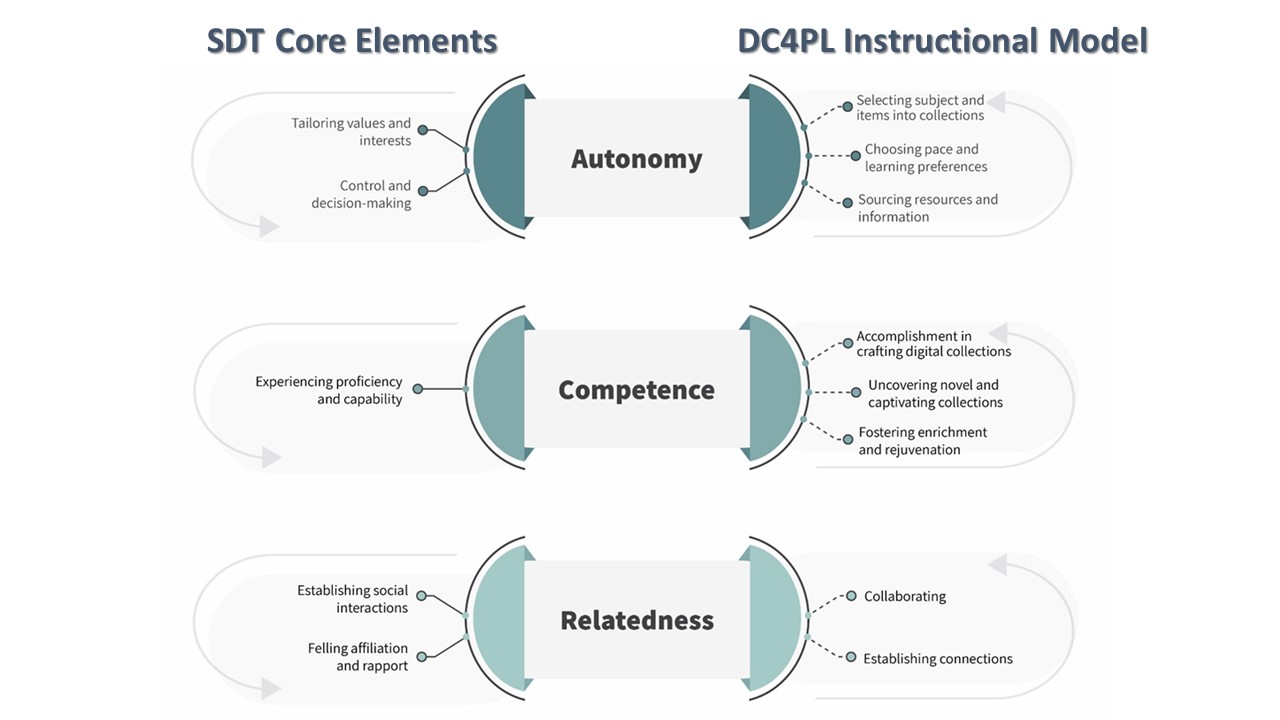
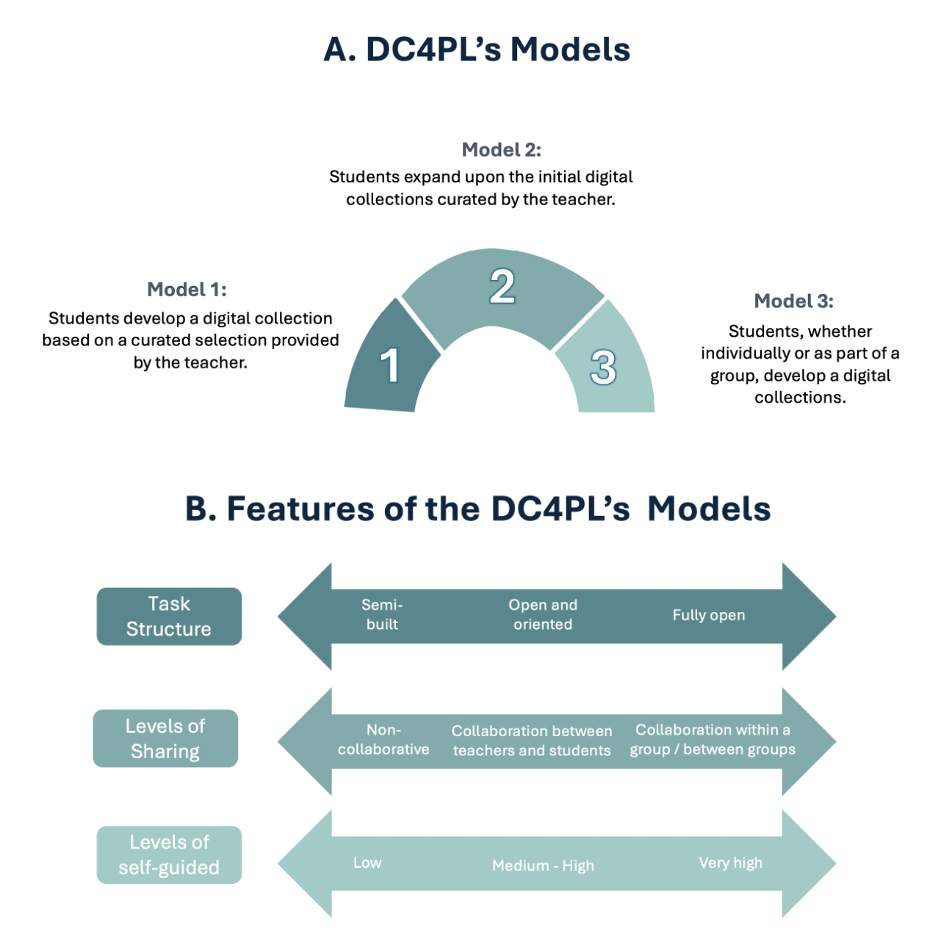
This chapter offers a research-based perspective on how Digital Curation can serve as a powerful pedagogical framework that advances Personalized Learning in science education. By engaging learners in selecting, evaluating, organizing, and interpreting digital information, Digital Curation fosters learner agency, deepens scientific understanding, and supports flexible, individualized learning pathways.

Stern, G., Dayan, E. & Tsybulsky, D. (2025). Leveraging digital curation for personalized learning. In M. Bernacki, C. Walkington, A. Emery, L. Zhang (Eds.), Handbook of Personalized Learning. Routledge. https://doi.org/10.4324/9781032719467-16.  Link.


Happy to Welcome the Leaders of the Biology Teachers’ Communities to Our Lab

We were excited to host a special meeting for the leaders of the Biology Teachers’ Communities in our lab!
The meeting brought together a dedicated group of educators committed to strengthening and enriching biology teaching across Israel.

🔬 The session featured innovative laboratory experiments led by the Laboratory Center at Bar-Ilan University, giving participants hands-on experience with fresh experimental techniques and ideas.

🌱 Supporting and empowering biology teachers is at the heart of what we do — because advancing science education starts with a strong, inspired teaching community.

Prof. Cohen-Azria’s Visit to Our Research Group

We were delighted to host Prof. Cora Cohen-Azria from the University of Lille (France)! Her talk offered fascinating perspectives on how schools and museums can work together to support young people’s scientific understanding — sparking a wonderful discussion about learning, culture, and science/biology education.

Visit to EPFL – EuroTech Universities Graduate Travel Grant

As part of the EuroTech Universities Graduate Travel Grant, Anna Pshenichny-Mamo visited the Laboratory for the History of Science and Technology at EPFL, hosted by Prof. Jérôme Baudry.
During the visit, she presented her ongoing research and current highlights from research in our group. She engaged in a stimulating discussion with Prof. Baudry and the lab members, receiving valuable feedback and insights.
The visit also included explorations of the natural history museums in Lausanne and Bern, as well as other scientific institutions in Switzerland, contributing to a broader understanding of science communication and the role of museums in public engagement with science.

📘 New Book Publication: Citizen Science Contributions to Biology and Environmental Education

We are pleased to announce the publication of the new edited volume Citizen Science Contributions to Biology and Environmental Education: Realities, Impact and Opportunities, edited by Prof. Dina Tsybulsky and Prof. Tali Tal, and published by Springer.

🔗https://link.springer.com/book/10.1007/978-3-031-99298-8

The book brings together chapters written by leading international scholars, exploring how Citizen Science contributes to biology and environmental education and fosters meaningful connections between research, teaching, and public engagement.

Our research group proudly contributed two chapters to this volume — reflecting our ongoing work on citizen science, biology education, and authentic learning environments.

Ben-Simon, H. & Tsybulsky, D. (2025). The pedagogical potential of citizen science in cultivating scientific reasoning, statistical reasoning, and NOS understanding. In D.  Tsybulsky, D. & T. Tal (Eds.), Citizen Science Contributions to Biology and Environmental Education: Realities, Impact and Opportunities. Springer. https://doi.org/10.1007/978-3-031-99298-8_7

Dvir, M. & Tsybulsky, D. (2025). Engaging students with citizen science data: Gateway to new scientific frontiers. In D.  Tsybulsky, D. & T. Tal (Eds.), Citizen Science Contributions to Biology and Environmental Education: Realities, Impact and Opportunities. Springer. https://doi.org/10.1007/978-3-031-99298-8_5


Invited Talk for Guides’ Professional Development – Steinhardt Museum

Anna Pshenichny-Mamo contributed to the professional development course for guides at the Steinhardt Museum of Natural History.
Her session focused on approaches for integrating Nature of Science (NOS) into museum tours, drawing on guidance practices developed through her research in collaboration with experienced guides.

The course created space for rich discussions around research-based practices and highlighted the vital role guides play as mediators between visitors and science. It also showed how practice-oriented professional development can empower guides to meaningfully embed NOS principles in informal learning environments.